
•     

TI-Rwanda’s APESA Project Strengthening Citizen Voice and Accountability in Rwanda through Grassroots Community Members

Despite Rwanda’s significant progress in infrastructure development, challenges persist in the effective enforcement and monitoring of environmental and social safeguards.

TI-Rwanda’s APESA Project Strengthening Citizen Voice and Accountability in Rwanda through Grassroots Community Members

TI-Rwanda’s APESA Project Strengthening Citizen Voice and Accountability in Rwanda through Grassroots Community Members

 Despite Rwanda’s significant progress in infrastructure development, challenges persist in the effective enforcement and monitoring of environmental and social safeguards.

These gaps are further compounded by limited citizen awareness of their rights and responsibilities in public project implementation.  This is attributed to limited participation and minimal voice on matters that affect their lives.  This limited participation of citizens contradicts the art (48) of the constitution of the Republic of Rwanda pertaining to Participation in the development of the country which stipulates that “All Rwandans have the duty to participate in the development of the country through their dedication to work, safeguarding peace, democracy, equality and social justice as well as to participate in the defense of their country”.

From Gap to Action: TI-Rwanda’s CCC Initiative
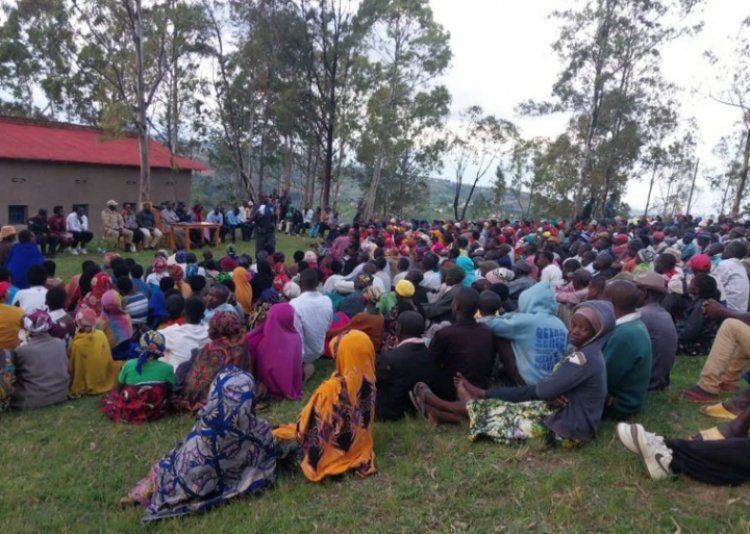
To bridge that gap, since 2012, Transparency International Rwanda (TI-Rwanda) initiated an establishment of the structure entitled “Citizen Concerned Committees (CCCs)” as a community-based mechanism to enhance citizen participation and accountability. The establishment of CCCs is in line with Rwanda’s vision 2050 priorities regarding “ensuring efficient and accountable institutions for socioeconomic transformation, deepening decentralization to bring services closer to the citizens as well as promoting rule of law and justice for all.

Citizen Concern Committees are voluntary, sector-level grassroots structures that serve as a bridge between citizens, local authorities and duty bearers. They amplify citizen voices, safeguard community interests, and promote transparency, integrity, and accountability in public service delivery, with particular attention to environmental protection and social welfare.

Democratic Selection for Stronger Accountability

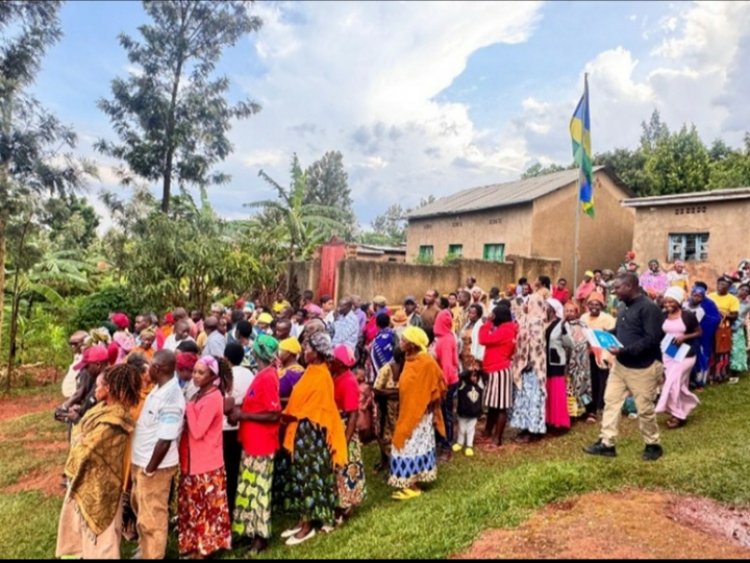
Members of CCCs are elected through community assemblies (Inteko z’Abaturage) democratically, ensuring openness, inclusiveness, and close collaboration with district and sector authorities. This is a distinctive approach used by TI Rwanda in establishing CCCs, where members are elected by their peers. This enables communities to choose individuals they consider to have the commitment and capacity, and whom community members recognize as people who understand their challenges at the local level and can help find solutions. The committees are expected to enhance citizen awareness, strengthen community participation, improve monitoring of public infrastructure projects, reduce corruption risks, and foster stronger collaboration between citizens, local authorities, and civil society actors.

CCC election in Rwamagana through community assemblies

Achievement Highlights

Initially, before the EU-funded “Alliances and Partnerships for Evidence-led Environmental and Social Safeguarding Accountability (APESA) Project, locally known as Ijwi Ryanjye mu Iterambere Rirambye (INTERA), 472 Citizen-Concerned Committee (CCC) members were present in 59 sectors across 11 districts (Huye, Nyamasheke, Rubavu, Musanze, Kayonza, Burera, Nyabihu, Nyamagabe, Kamonyi, Gicumbi and Nyaruguru).

Through APESA initiative, an additional 336 CCC members were successfully established in 42 new sectors in 11  districts (Ngoma, Kicukiro, Nyarugenge, Gatsibo, Muhanga, Ruhango, Rulindo, Rusizi, Rutsiro, Rwamagana and and Nyamasheke).

This brings the total number of CCC members to 808 in 101 sectors across 21 districts nationwide. Each CCC is composed of eight elected members representing women, men, youth, and persons with disabilities.

APESA is a three-year initiative implemented by Transparency International Rwanda (TI-Rwanda), in partnership with the Partnership for Transparency Fund (PTF) Europe. The project seeks to promote accountability and compliance with environmental and social safeguarding standards in government-funded infrastructure projects across Rwanda, in 13 districts.

 APESA intervention Districts

Lessons and the Way Forward

The establishment of Citizen Concerned Committees marks an important milestone in advancing citizen-led accountability and participatory governance in Rwanda. By empowering communities to engage meaningfully in oversight and decision-making, CCCs are expected to contribute to more transparent, inclusive, and sustainable development processes in line with national priorities.

The key lessons learned are that working through existing community structures strengthens ownership and legitimacy of accountability mechanisms, early engagement with local leaders improves mobilization and coordination, and continuous capacity-building is essential to sustain volunteer motivation and performance. To improve future activities, this participatory approach should be replicated in other districts, with structured follow-up mechanisms and clear capacity development plans to ensure long-term impact and effectiveness.

Bagabo John 
TI-Rwanda’s APESA Project Strengthening Citizen Voice and Accountability in Rwanda through Grassroots Community Members

TI-Rwanda’s APESA Project Strengthening Citizen Voice and Accountability in Rwanda through Grassroots Community Members

Despite Rwanda’s significant progress in infrastructure development, challenges persist in the effective enforcement and monitoring of environmental and social safeguards.

TI-Rwanda’s APESA Project Strengthening Citizen Voice and Accountability in Rwanda through Grassroots Community Members

 Despite Rwanda’s significant progress in infrastructure development, challenges persist in the effective enforcement and monitoring of environmental and social safeguards.

These gaps are further compounded by limited citizen awareness of their rights and responsibilities in public project implementation.  This is attributed to limited participation and minimal voice on matters that affect their lives.  This limited participation of citizens contradicts the art (48) of the constitution of the Republic of Rwanda pertaining to Participation in the development of the country which stipulates that “All Rwandans have the duty to participate in the development of the country through their dedication to work, safeguarding peace, democracy, equality and social justice as well as to participate in the defense of their country”.

From Gap to Action: TI-Rwanda’s CCC Initiative

To bridge that gap, since 2012, Transparency International Rwanda (TI-Rwanda) initiated an establishment of the structure entitled “Citizen Concerned Committees (CCCs)” as a community-based mechanism to enhance citizen participation and accountability. The establishment of CCCs is in line with Rwanda’s vision 2050 priorities regarding “ensuring efficient and accountable institutions for socioeconomic transformation, deepening decentralization to bring services closer to the citizens as well as promoting rule of law and justice for all.

Citizen Concern Committees are voluntary, sector-level grassroots structures that serve as a bridge between citizens, local authorities and duty bearers. They amplify citizen voices, safeguard community interests, and promote transparency, integrity, and accountability in public service delivery, with particular attention to environmental protection and social welfare.

Democratic Selection for Stronger Accountability

Members of CCCs are elected through community assemblies (Inteko z’Abaturage) democratically, ensuring openness, inclusiveness, and close collaboration with district and sector authorities. This is a distinctive approach used by TI Rwanda in establishing CCCs, where members are elected by their peers. This enables communities to choose individuals they consider to have the commitment and capacity, and whom community members recognize as people who understand their challenges at the local level and can help find solutions. The committees are expected to enhance citizen awareness, strengthen community participation, improve monitoring of public infrastructure projects, reduce corruption risks, and foster stronger collaboration between citizens, local authorities, and civil society actors.

CCC election in Rwamagana through community assemblies

Achievement Highlights

Initially, before the EU-funded “Alliances and Partnerships for Evidence-led Environmental and Social Safeguarding Accountability (APESA) Project, locally known as Ijwi Ryanjye mu Iterambere Rirambye (INTERA), 472 Citizen-Concerned Committee (CCC) members were present in 59 sectors across 11 districts (Huye, Nyamasheke, Rubavu, Musanze, Kayonza, Burera, Nyabihu, Nyamagabe, Kamonyi, Gicumbi and Nyaruguru).

Through APESA initiative, an additional 336 CCC members were successfully established in 42 new sectors in 11  districts (Ngoma, Kicukiro, Nyarugenge, Gatsibo, Muhanga, Ruhango, Rulindo, Rusizi, Rutsiro, Rwamagana and and Nyamasheke).

This brings the total number of CCC members to 808 in 101 sectors across 21 districts nationwide. Each CCC is composed of eight elected members representing women, men, youth, and persons with disabilities.

APESA is a three-year initiative implemented by Transparency International Rwanda (TI-Rwanda), in partnership with the Partnership for Transparency Fund (PTF) Europe. The project seeks to promote accountability and compliance with environmental and social safeguarding standards in government-funded infrastructure projects across Rwanda, in 13 districts.

 APESA intervention Districts

Lessons and the Way Forward

The establishment of Citizen Concerned Committees marks an important milestone in advancing citizen-led accountability and participatory governance in Rwanda. By empowering communities to engage meaningfully in oversight and decision-making, CCCs are expected to contribute to more transparent, inclusive, and sustainable development processes in line with national priorities.

The key lessons learned are that working through existing community structures strengthens ownership and legitimacy of accountability mechanisms, early engagement with local leaders improves mobilization and coordination, and continuous capacity-building is essential to sustain volunteer motivation and performance. To improve future activities, this participatory approach should be replicated in other districts, with structured follow-up mechanisms and clear capacity development plans to ensure long-term impact and effectiveness.

Bagabo John